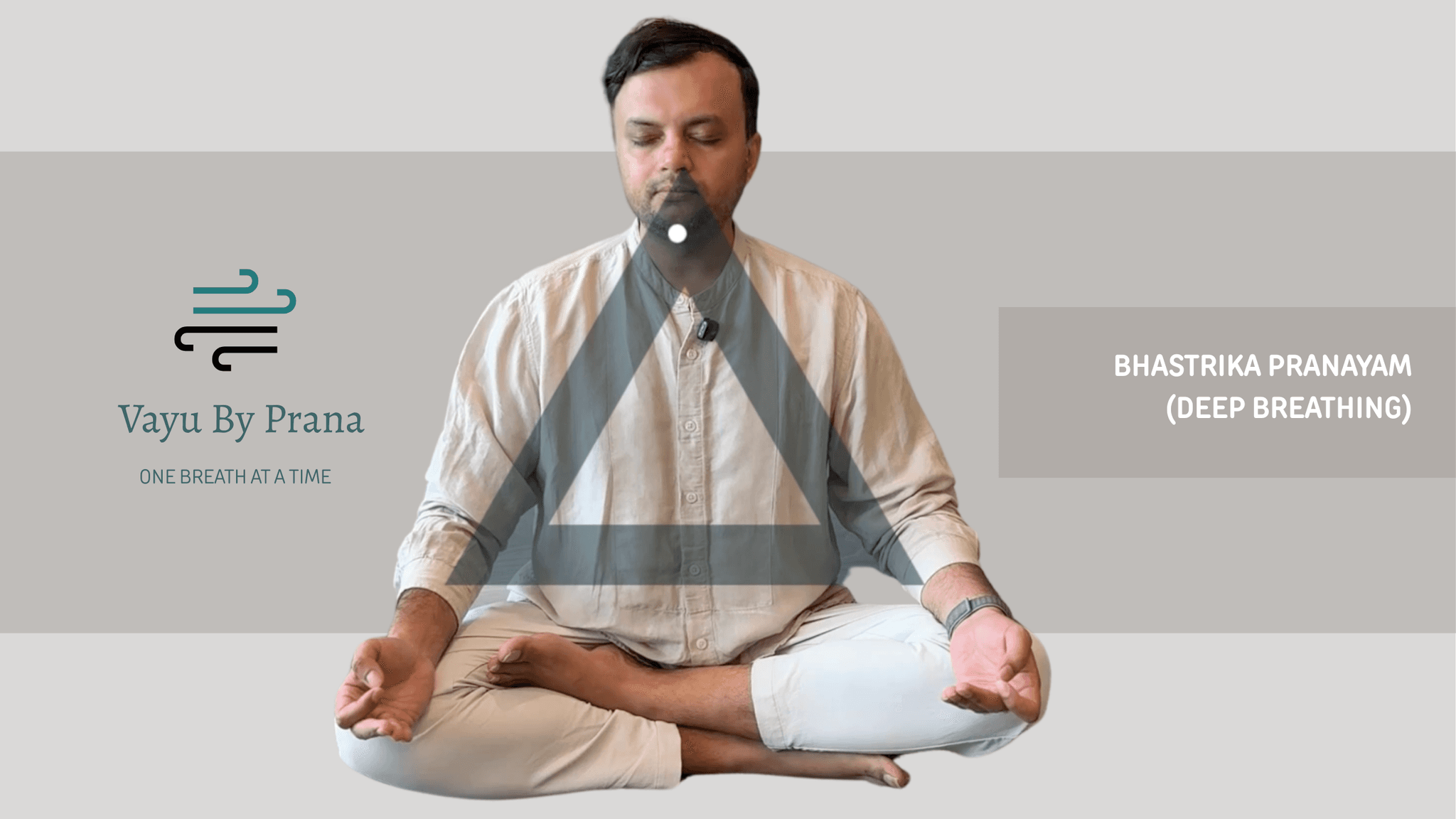
In the diverse world of pranayama practices, Bhastrika—often referred to as the "bellows breath"—stands out as a dynamic technique that can invigorate the body, clear the mind, and prepare you for deeper meditation. Whether you’re a seasoned yogi or just beginning your journey into breathwork, understanding Bhastrika can open up new avenues for energy, detoxification, and mental clarity.
What Is Bhastrika?
Bhastrika derives its name from the Sanskrit word bhastrika, which means "bellows." Just as a blacksmith uses a bellows to stoke the flames of a fire, this pranayama technique employs vigorous inhalations and exhalations to stoke your internal fire. It is characterized by rapid, forceful breathing that actively engages the diaphragm and abdominal muscles.
Unlike some more calming breathing exercises, Bhastrika is designed to stimulate and energize. It increases oxygen supply, boosts metabolism, and helps to purify the body and mind. Traditionally, it is considered both a physical and energetic cleanser, helping to dispel toxins and stagnant energy.
How to Practice Bhastrika
Before you begin, remember that Bhastrika is an advanced practice that can be intense. It’s important to approach it with mindfulness and caution. Here’s a step-by-step guide to help you get started:
1. Find a Comfortable Seated Position
Sit comfortably on a mat or cushion with your spine erect. You may sit in a traditional cross-legged posture (like Sukhasana or Padmasana) or even on a chair, as long as your back remains straight. Close your eyes and take a few deep, calming breaths to settle into the practice.
2. Start with a Few Rounds of Normal Breathwork
Before engaging in the vigorous breathing of Bhastrika, warm up your respiratory system with a few rounds of deep, slow breaths. This helps prepare your body for the increased oxygen intake and ensures a smoother transition into the practice.
3. Begin the Bhastrika Technique
Inhalation: Take a deep, forceful breath in through your nose, expanding your abdomen and chest as if you are filling a large balloon.
Exhalation: Forcefully exhale through your nose, contracting your abdomen. Imagine squeezing the air out like you would squeeze a bellows.
Rhythm: Continue with this powerful inhalation and exhalation, maintaining a steady rhythm. A good starting point is 10-15 cycles in a row.
4. Gradually Build Intensity and Duration
As you become more comfortable with the technique, you may gradually increase the number of cycles or the duration of your practice. Always listen to your body, and if you experience dizziness or discomfort, slow down or pause the exercise.
5. Conclude with a Calming Breath
After completing your rounds of Bhastrika, return to normal breathing. Sit quietly for a few moments to allow your body and mind to integrate the experience. This period of calm is essential for harnessing the energy you’ve generated during the practice.
Benefits of Bhastrika
1. Increased Energy and Vitality
The vigorous nature of Bhastrika helps to oxygenate the blood and stimulate the circulatory system. Many practitioners report a noticeable boost in energy levels, making it a great practice for early mornings or when you’re feeling sluggish.
2. Detoxification
By rapidly cycling the breath, Bhastrika encourages the expulsion of toxins from the lungs and blood. This “internal cleansing” effect can lead to improved respiratory function and overall well-being.
3. Mental Clarity and Focus
The dynamic movement of breath can help to clear mental fog and sharpen concentration. It’s an excellent preparatory exercise before meditation, as it helps quiet the mind and focus your thoughts.
4. Strengthened Respiratory Muscles
Regular practice of Bhastrika can enhance the strength and endurance of the diaphragm and intercostal muscles, contributing to better overall respiratory health.
Precautions and Contraindications
While Bhastrika offers many benefits, it’s important to approach the practice with care:
Consult a Professional: If you have respiratory issues (such as asthma), cardiovascular concerns, or high blood pressure, consult with a healthcare provider or an experienced yoga instructor before practicing Bhastrika.
Avoid Overexertion: Beginners should start slowly and gradually increase the intensity. Overdoing the practice can lead to dizziness or hyperventilation.
Listen to Your Body: Always pay attention to how your body responds. If you feel lightheaded or uncomfortable, pause the exercise and return to normal, relaxed breathing.
Integrating Bhastrika Into Your Routine
Bhastrika can be a powerful addition to your daily yoga or meditation routine. Here are a few tips for integration:
Morning Ritual: Use Bhastrika as a morning energizer. A short session can help you shake off sleepiness and prepare your mind for the day ahead.
Pre-Meditation: Practice Bhastrika before your meditation session to clear mental clutter and enhance focus.
Energy Booster: When you feel low on energy during the day, a brief session can reinvigorate your body and sharpen your mental clarity.