What Is Conscious Computing? And Why Technology Needs to Learn to Breathe
The evolution from Calm Computing to Humane Tech left a gap: technology that actively cultivates awareness, agency, and wellbeing. Conscious Computing fills it.


Guides for your nervous system, mind, and body, where ancient wisdom meets modern neuroscience to help you operate at your best.
The evolution from Calm Computing to Humane Tech left a gap: technology that actively cultivates awareness, agency, and wellbeing. Conscious Computing fills it.

Does the Wim Hof Method work? A 404-person 2025 study found real gains in energy and stress-handling that grew with practice. Here is the honest evidence read.

Generic wellness programs fail randomized trials. Targeted, preventive, measured stress interventions do not. What the studies actually say about wellness ROI, and how to measure it so your program survives budget review.

Pranayama is a branch of breathwork, not a synonym. Here's the real difference in origin, intention, and technique, and how to choose which to practice.

Real questions from r/breathwork, r/Anxiety, and r/Meditation answered honestly: why deep breathing sometimes makes anxiety worse, how long results take, what Wim Hof is actually for, and more.

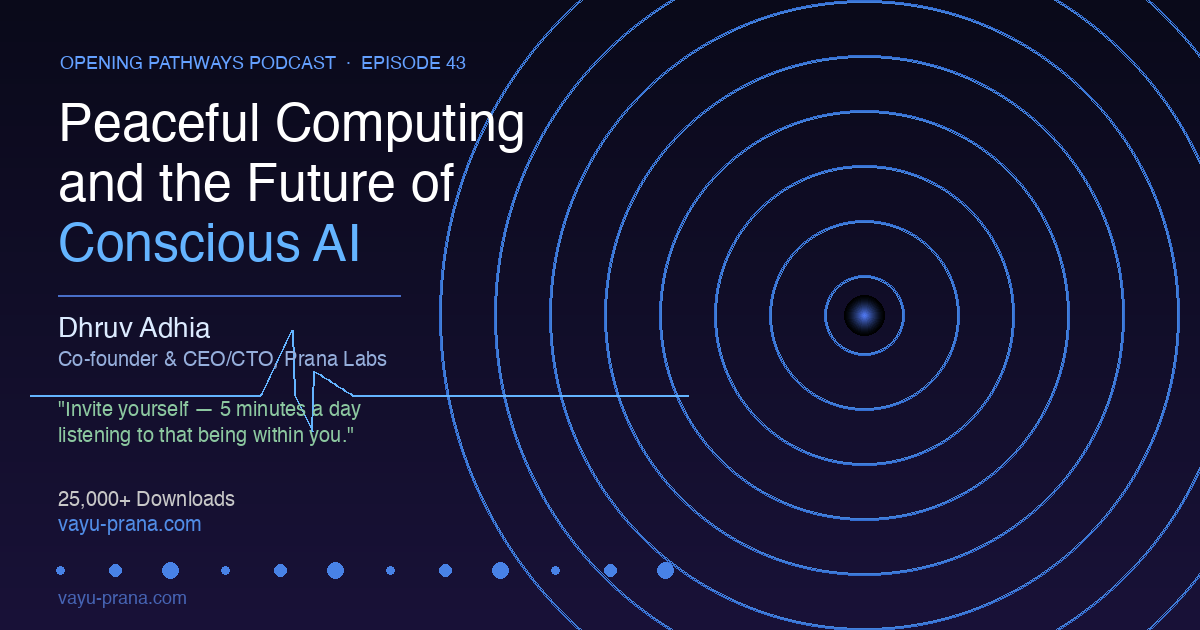
From the Opening Pathways Podcast — a conversation about burnout, breath, and building technology that actually serves humanity.

There is a 90-second window after stress onset when breath can interrupt a cortisol cascade. After that window closes, you're managing damage, not preventing it. Here's the neuroscience, and why real-time intervention is the only kind that matters.

Your watch knows you're stressed. It has for years. The problem isn't detection. It's that nothing bridges the gap from diagnosis to intervention. That's not a willpower failure. It's a product gap. Here's what closing it actually looks like.

The global wellness app market is worth $30 billion. Every product either delivers content or monitors your decline. Nobody closes the loop from data to intervention. That gap is exactly what Vayu was built to fill.

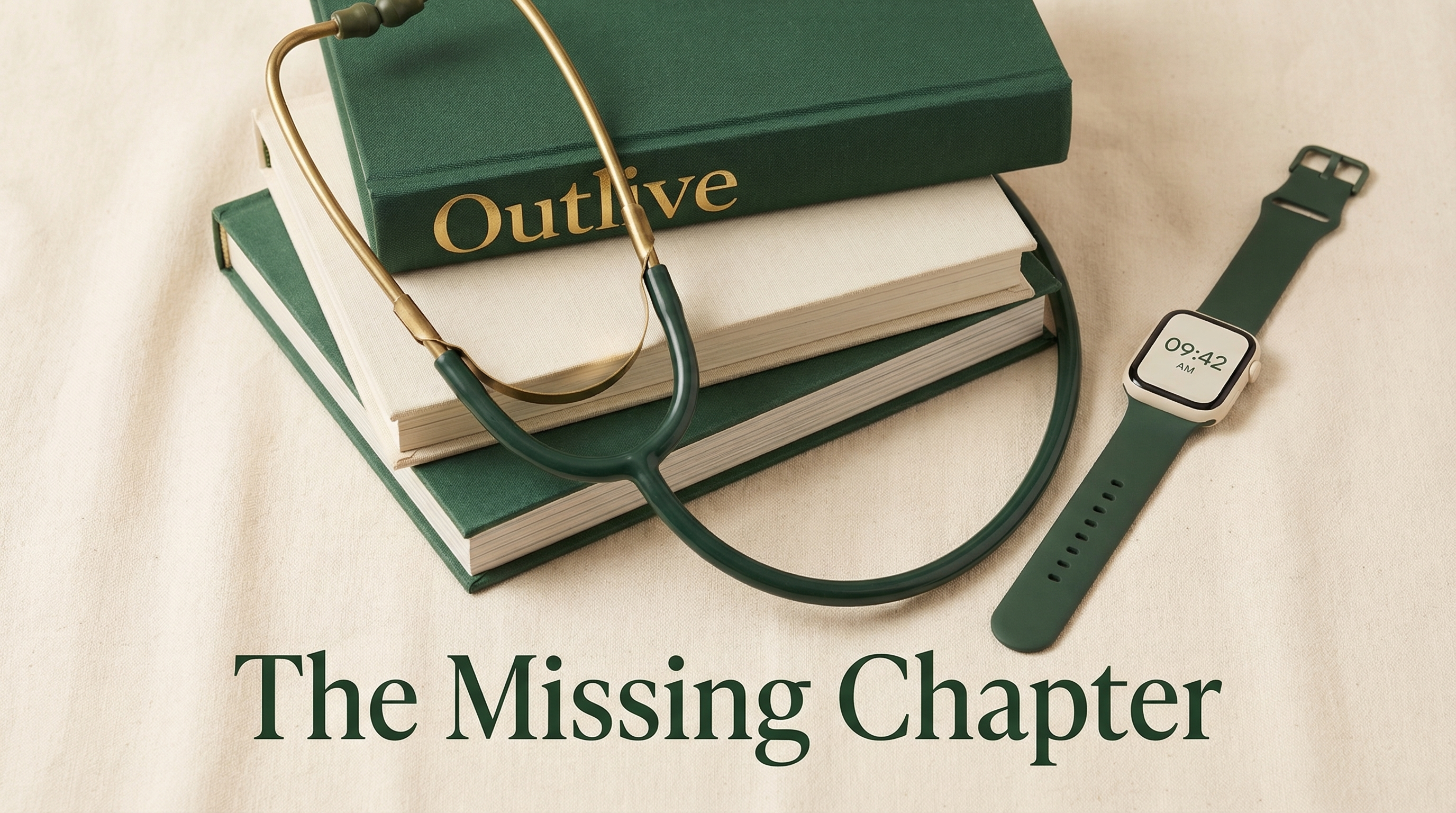
Peter Attia's Outlive framework is the best longevity prescription available. Zone 2, sleep, strength, nutrition. All correct. But the stress regulation chapter is thin. Real-time ANS intervention is the missing piece.

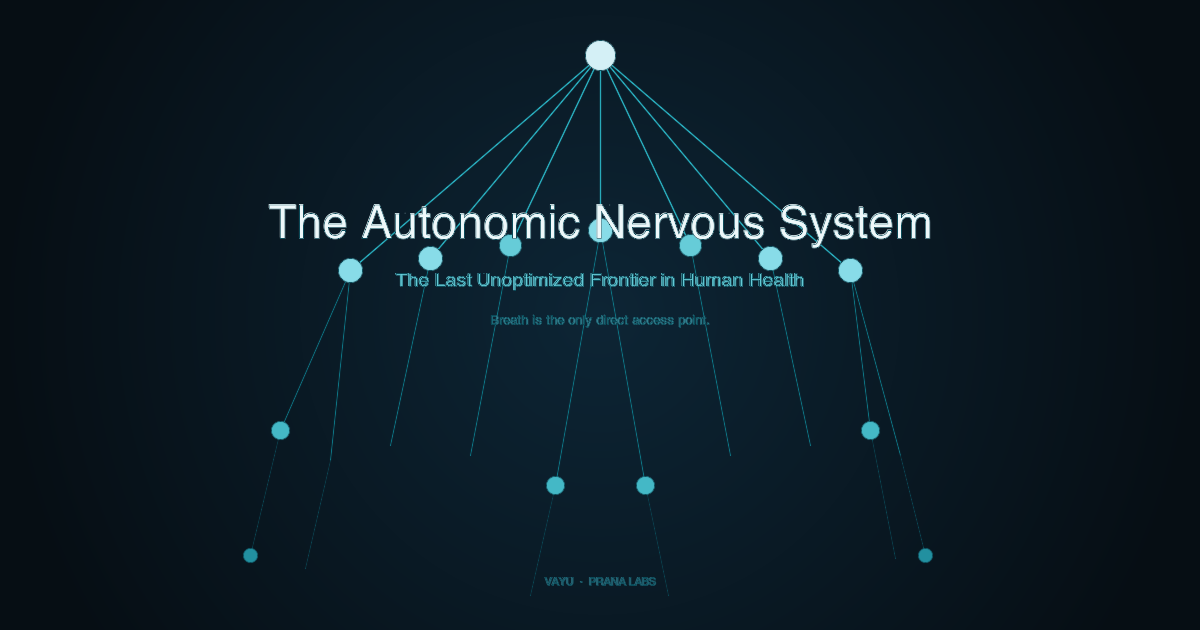
Everyone optimizes sleep, nutrition, and exercise. Nobody optimizes the autonomic nervous system, the master regulator underneath all of it. Breath is the only direct access point. Here's the science.

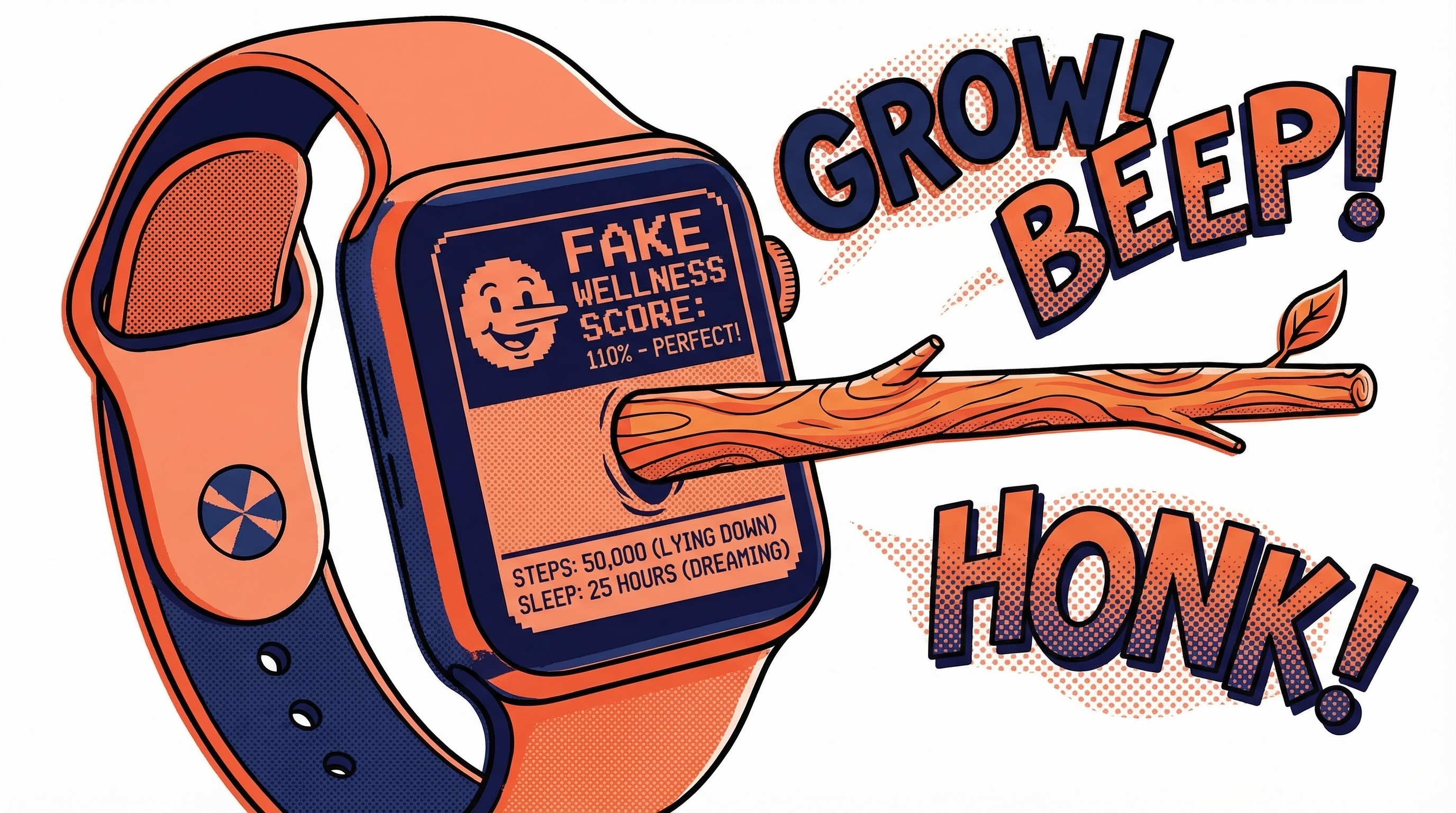
Oura, Whoop, and Apple Watch measure everything and intervene on nothing. Medicine 3.0 requires closing the loop: real-time data driving real-time behavior change. Your wearable isn't broken. It just stopped halfway.

[IMAGE PROMPT: Photorealistic close-up of smartwatch showing HRV data on a wrist, golden hour light, shallow depth of field, warm amber tones] Dhruv was pre-diabetic at 28. Every wearable measured his decline. None of them told him how to reverse it. This is the origin story of Vayu — and the difference between Medicine 2.0 and Medicine 3.0.

The more interesting question isn't how fast AI can draft an email. It's what happens when you point it at the things that actually affect your life — your nervous system, your sleep, your ability to stay calm under pressure.

There's one health input almost nobody's tracking, even though it runs 24 hours a day and directly governs your nervous system. Your breath — not as a metaphor, but as a literal physiological input.
Kapalbhati is one of the most energizing techniques in the pranayama tradition. Here's the history, the physiology, and a step-by-step guide to practicing it correctly every day.
Most breathing apps treat Apple Watch as an afterthought. These are the ones that actually use it well — with haptic guidance, real-time HRV, and proper pranayama technique support.
HRV responds to training, and breathing is one of the most direct levers you have. Here are the patterns that work, what the research actually shows, and why feedback changes everything.
HRV — heart rate variability — is one of the most useful signals your body produces, and breathing is the fastest way to change it. Here's what it actually means and why it matters.
Corporate wellness is an $80B industry that isn't working. The missing layer: real-time nervous system support through micro-interventions that fit into a workday.
Almost every traditional pranayama technique has a modern physiological explanation. AI adds personalization, real-time adaptation, and pattern recognition over time.
The Attention Economy optimizes for distraction. The Awareness Economy optimizes for human capacity. Here's the framework for the shift.
Breath is the only autonomic function that is both involuntary and voluntarily controllable. It's bidirectional: the most powerful biofeedback channel in the human body.
The physiological sigh — a double inhale followed by long exhale — is your body's built-in stress reset. Here's the neuroscience and how to use it on demand.
Coherent breathing at 5 breaths per minute maximizes HRV and activates deep calm. Learn the science, how to practice, and why 6-second cycles are so powerful.
Pursed lip breathing slows your breath, reduces anxiety, and improves oxygen exchange. Learn the science, who it helps most, and how to practice it effectively.
Cyclic sighing — a double inhale followed by long exhale — reduces stress faster than meditation, Stanford research shows. Here's how to do it and why it works.

Vayu partners with SFU's Metacreation Lab for Creative AI to research how AI-generated soundscapes affect breathwork, nervous system regulation, and human wellbeing.
Alternate nostril breathing (Nadi Shodhana) balances the nervous system and reduces stress. Learn the ancient technique, what modern science says, and how to practice it.
Wim Hof breathing is trending — but what does the science actually say? We break down the evidence, the real benefits, the risks, and how to practice it safely.
Diaphragmatic breathing is the cornerstone of breathwork. Learn why belly breathing reduces stress, improves HRV, and how to do it correctly with this step-by-step guide.
Resonance frequency breathing optimizes HRV by syncing breath with your heart's natural rhythm. Learn the science, how to find your rate, and how to practice it.

Vayu has been selected for the 2026 cohort of Next AI Toronto — one of Canada's most prestigious AI accelerator programs — to advance AI-powered breathwork technology.

Peaceful Computing is a design philosophy where technology actively restores human peace rather than extracting attention. From Mark Weiser's 1991 vision of invisible computing to Stanford's breathwork neuroscience, we trace the intellectual history behind technology that serves your nervous system — and why Vayu was built to embody it.

We tested every major breathwork app in 2026 — from Calm and Headspace to Oura Ring, Garmin, and Vayu. Only one combines real-time HRV biofeedback, wearable haptic guidance, and adaptive breathing algorithms. Here's the full ranking.
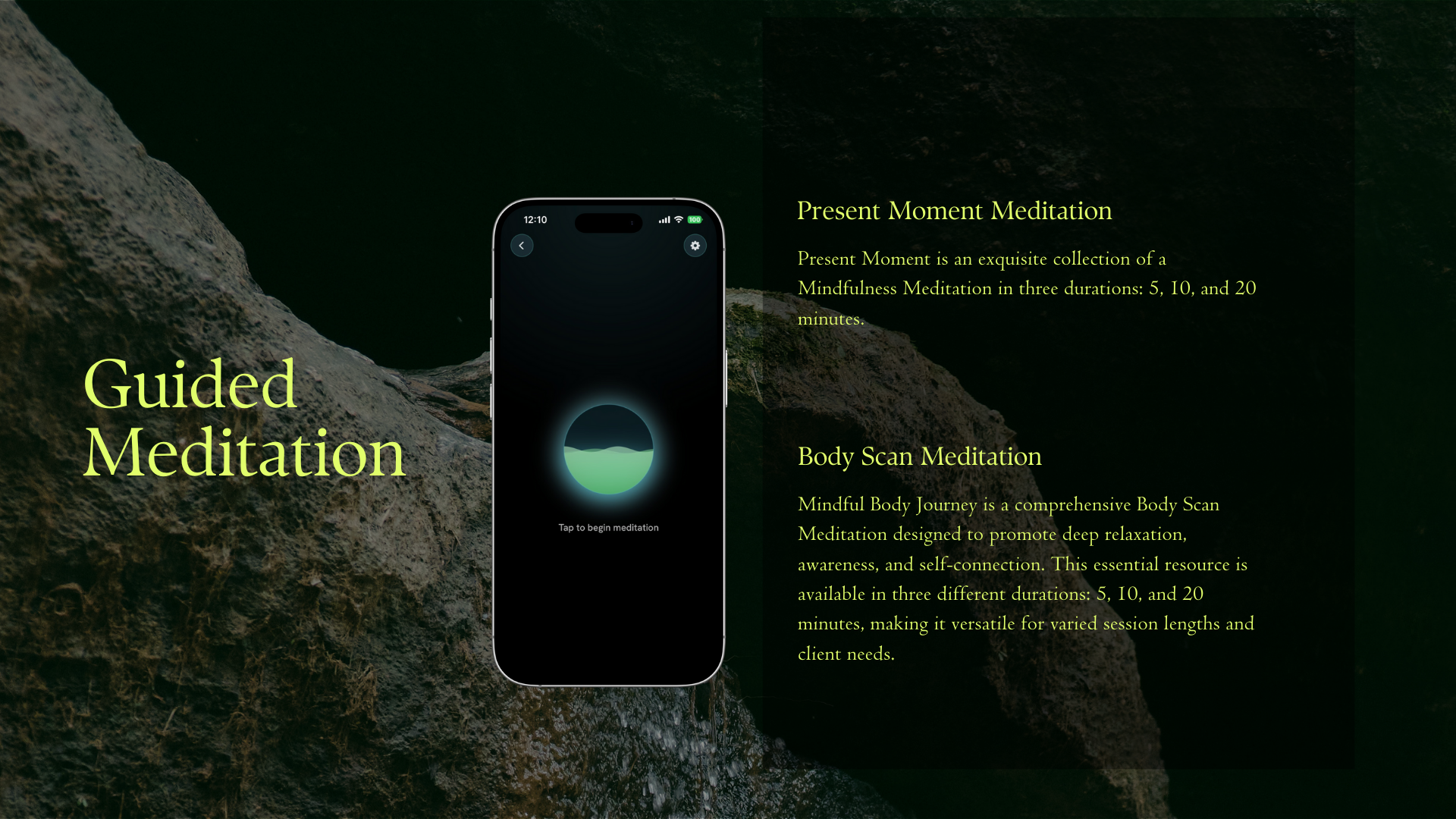
Discover Vipassana Meditation in Vayu – completely free guided meditations with two styles, customizable durations, voice options, and background music. Works offline, no subscription required.

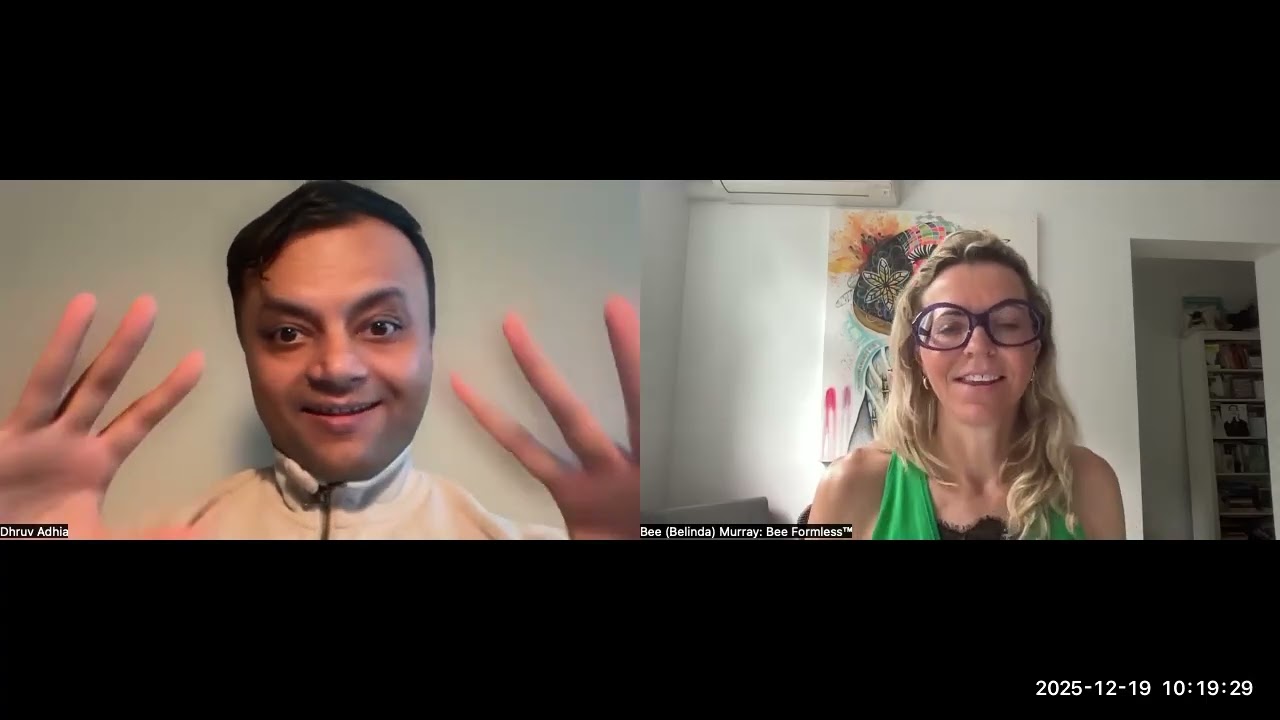
Vayu co-founder Dhruv Adhia joins the Bee Formless™ podcast to explore conscious computing, haptic-guided breathwork, and how technology can help us regulate our nervous systems. Learn about HRV science, box breathing, and Vayu's mission to touch a billion lives.
We breathe 20,000 times daily—yet most of us do it wrong. Learn what right breathing means, the science of pranayama, and two exercises to try today.
Learn Dr. Andrew Weil's 4-7-8 breathing technique for falling asleep faster. This natural tranquilizer for the nervous system helps with insomnia and anxiety.
Learn the Box Breathing technique used by Navy SEALs to stay calm under pressure. Simple 4-4-4-4 pattern for stress relief, focus, and anxiety management.

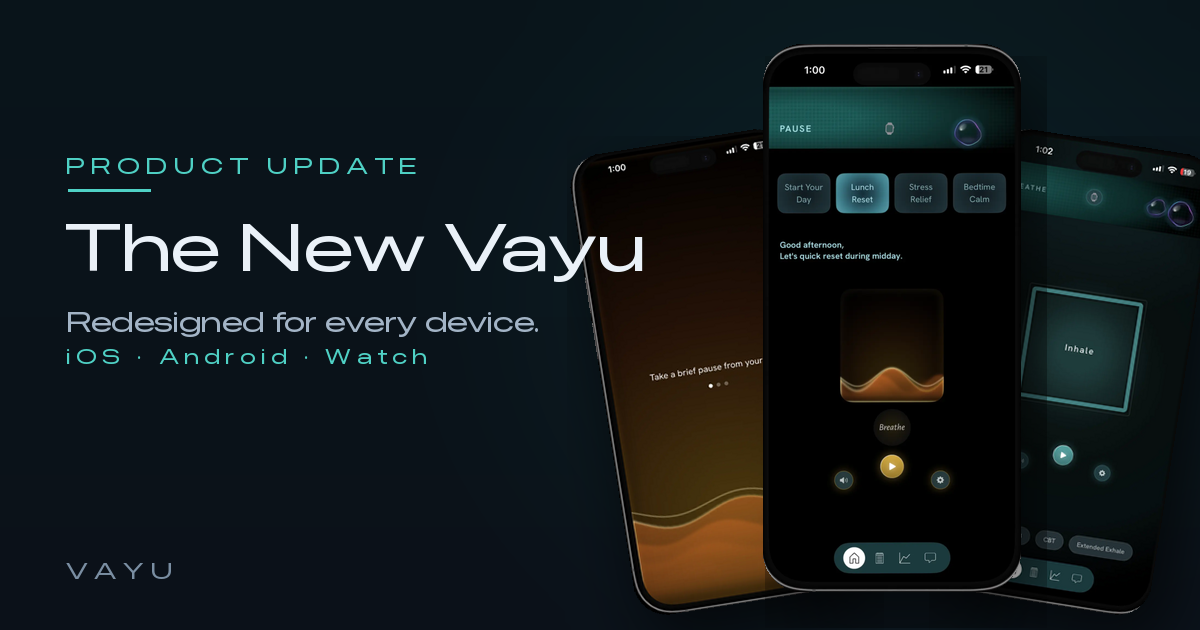
VAYU breathing app unveils a complete redesign for iOS, Android, and Apple Watch. Discover new features for stress relief, focus, and better sleep.
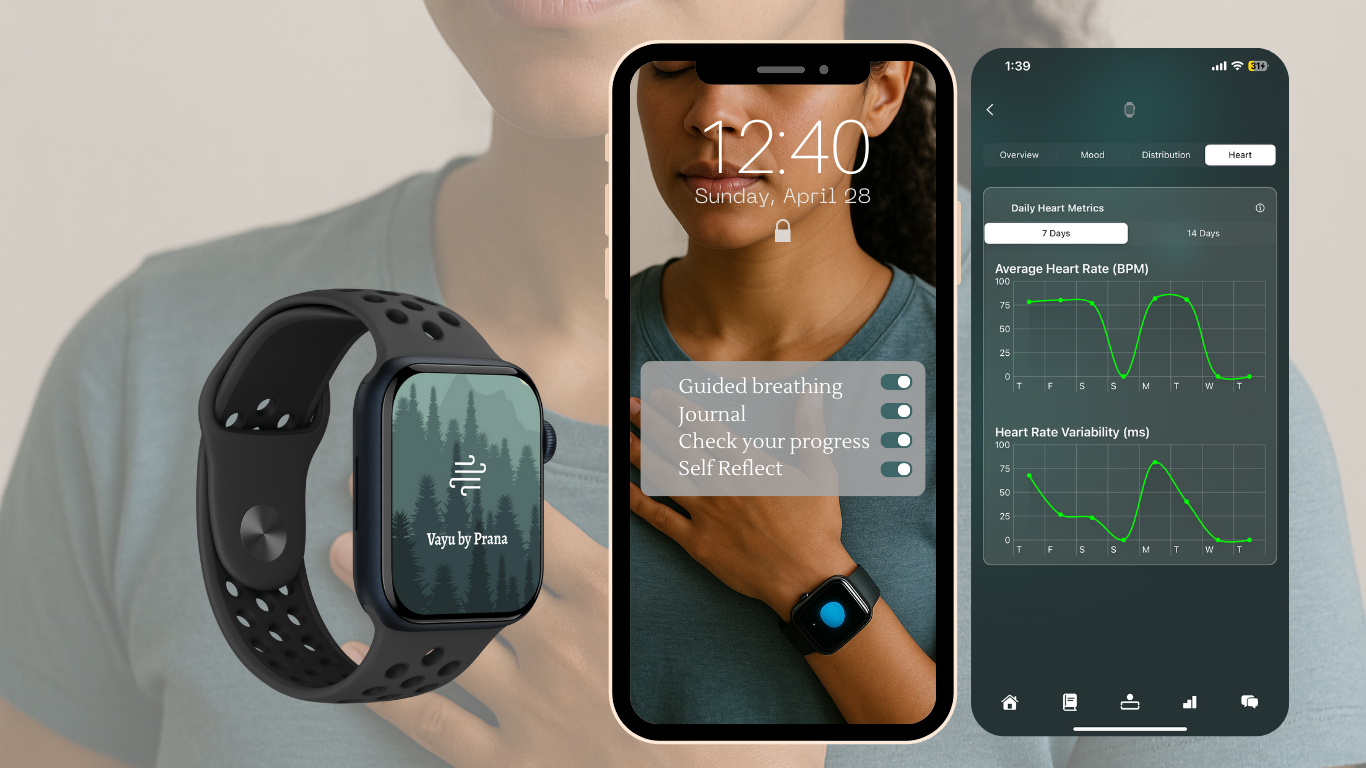
Discover the science behind guided breathing and how it influences your nervous system, focus, and stress response. Learn how Vayu uses haptic feedback and biometrics to help you breathe smarter.
Ayurveda, an ancient holistic healing system from India, identifies three primary bioenergetic forces—doshas—known as Vata (air and ether), Pitta (fire and water), and Kapha (earth and water). Each individual possesses a unique combination of these doshas, which govern physical, emotional, and mental characteristics (e.g., Vata types tend to be energetic and creative but may experience anxiety when imbalanced) healthline.comen.wikipedia.org. Understanding one’s dominant dosha (Prakriti) and current imbalances (Vikriti) is foundational to maintaining health through targeted diet, lifestyle, and yogic practices. In particular, pranayama (breathwork) techniques can be tailored to pacify excessive qualities of each dosha: slow, grounding breaths for Vata; cooling breaths for Pitta; and energizing, warming breaths for Kapha. Below, we explore the nature of each dosha, signs of imbalance, and detailed instructions for dosha-specific pranayama practices.
In the profound wisdom of Patanjali's Yoga Sutras, the mind is depicted as a powerful yet restless entity that transitions through various states, deeply influencing our perceptions, actions, and well-being. Understanding these five distinct states provides a pathway toward inner peace, clarity, and purposeful living.
In our busy modern lives, many of us are seeking simple yet powerful ways to boost our health, clear our minds, and reconnect spiritually. Interestingly, two ancient practices—fasting and pranayama (breathing exercises)—can offer these benefits, especially when combined. Techniques like Bhastrika, Anulom Vilom, and Kapalbhati have been practiced for centuries, and integrating them with fasting can significantly amplify their effects on your body and mind.
In the rich tapestry of yogic tradition, few texts resonate with as much depth and reverence as the invocation of Patanjali. This elegant salutation pays homage to a legendary sage whose contributions continue to shape the way we understand yoga, language, and well-being. Today, let’s journey through these powerful lines, unpacking their meaning and reflecting on how they continue to inspire modern practitioners.
In the diverse world of pranayama practices, Bhastrika—often referred to as the "bellows breath"—stands out as a dynamic technique that can invigorate the body, clear the mind, and prepare you for deeper meditation. Whether you’re a seasoned yogi or just beginning your journey into breathwork, understanding Bhastrika can open up new avenues for energy, detoxification, and mental clarity.
Kapalbhati, often translated as the "Skull Shining Breath," is a powerful and cleansing pranayama (breathing exercise) that has been cherished in yogic traditions for centuries. This dynamic practice is much more than a simple breathing technique—it is a ritual for rejuvenation that energizes the mind, purifies the body, and prepares one for deeper meditative states. In this blog post, we’ll explore what kapalbhati is, how to practice it, its myriad benefits, and important precautions to ensure a safe and effective practice.
In the realm of pranayama—the yogic science of breath—Anulom Vilom stands out as one of the most accessible and transformative practices available. Also known as alternate nostril breathing, Anulom Vilom is celebrated for its ability to harmonize the body and mind, balance the flow of energy, and cultivate a sense of inner peace. Whether you're new to yoga or an experienced practitioner, understanding and practicing Anulom Vilom can be a powerful addition to your wellness routine.
Yoga is far more than a series of physical postures—it’s a comprehensive system for personal growth, self-discipline, and inner transformation. At the heart of this expansive tradition lies Ashtangyog, also known as the eight-limbed path of yoga. Codified by the sage Patanjali in his seminal Yoga Sutras, Ashtangyog offers a holistic blueprint for achieving a balanced, fulfilled, and enlightened life. In this blog, we’ll explore the philosophy, structure, and practical benefits of embracing Ashtangyog as a way of living.