There's a framing problem with how we talk about AI.
Most of the conversation centers on efficiency — how fast you can draft an email, how many tasks you can automate, how much money you can make. Those things matter. But they're not the whole picture.
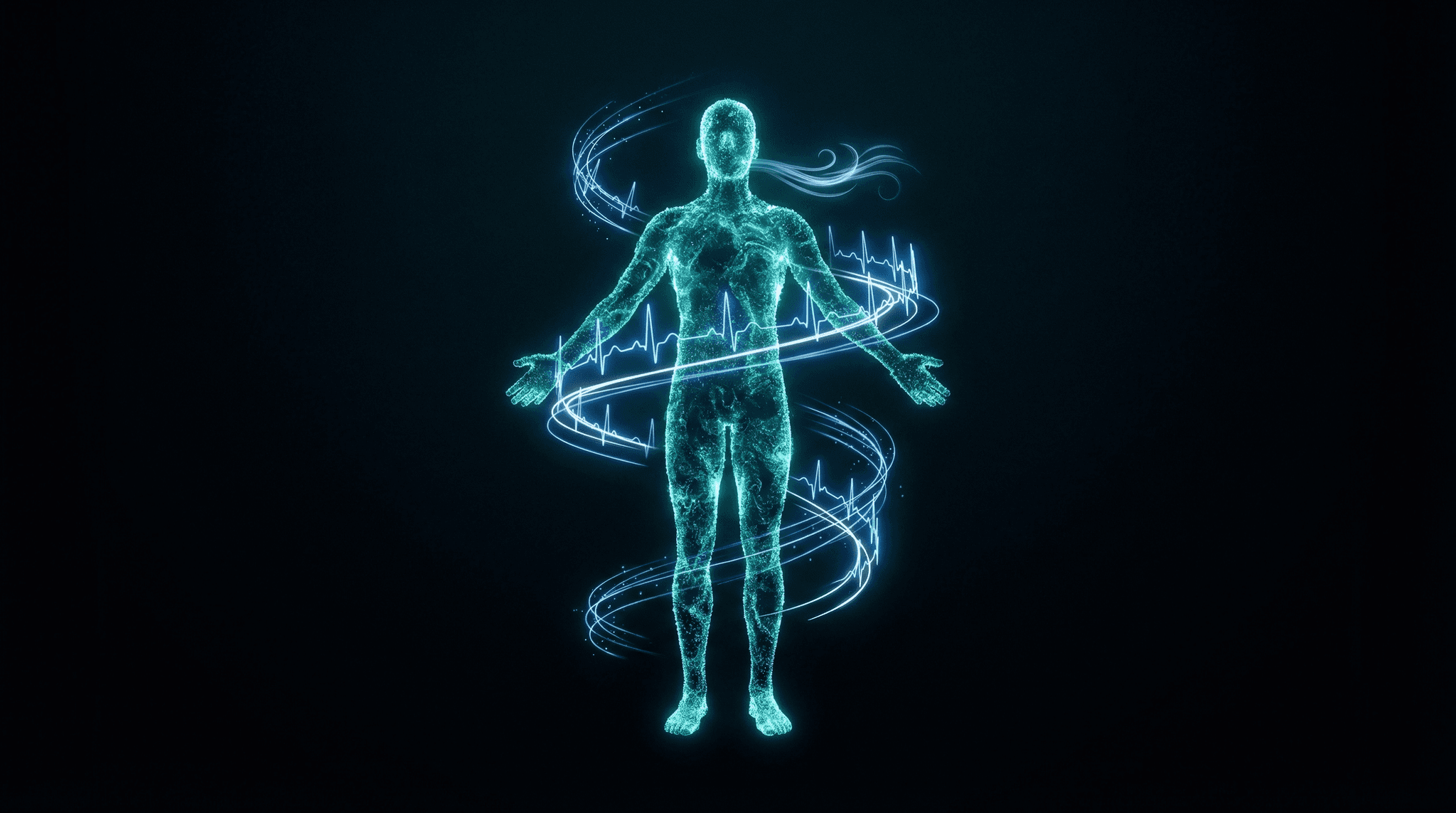
The more interesting question is: what happens when you point AI at the things that actually affect your life? Not your inbox. Your nervous system. Your sleep. Your ability to stay calm under pressure, think clearly, and show up as a human being.
That's the question Vayu is built around.
The Problem Isn't AI — It's Intention
"AI is a mirror. It reflects whoever builds with it and whoever uses it."
Right now, most of the incentives in tech point AI at engagement, retention, and revenue optimization. That's not evil — it's just what the market rewards.
But there's a different use case that doesn't get nearly as much airtime: using AI to help people understand and regulate their own biology.
- Not AI replacing your doctor — but AI helping you notice patterns in your physiology that would otherwise stay invisible
- Not AI giving you another notification to check — but AI that helps you slow down and pay attention to what your body is telling you
- Not AI optimizing for your clicks — but AI optimizing for your nervous system
Real Examples of AI Serving Human Health
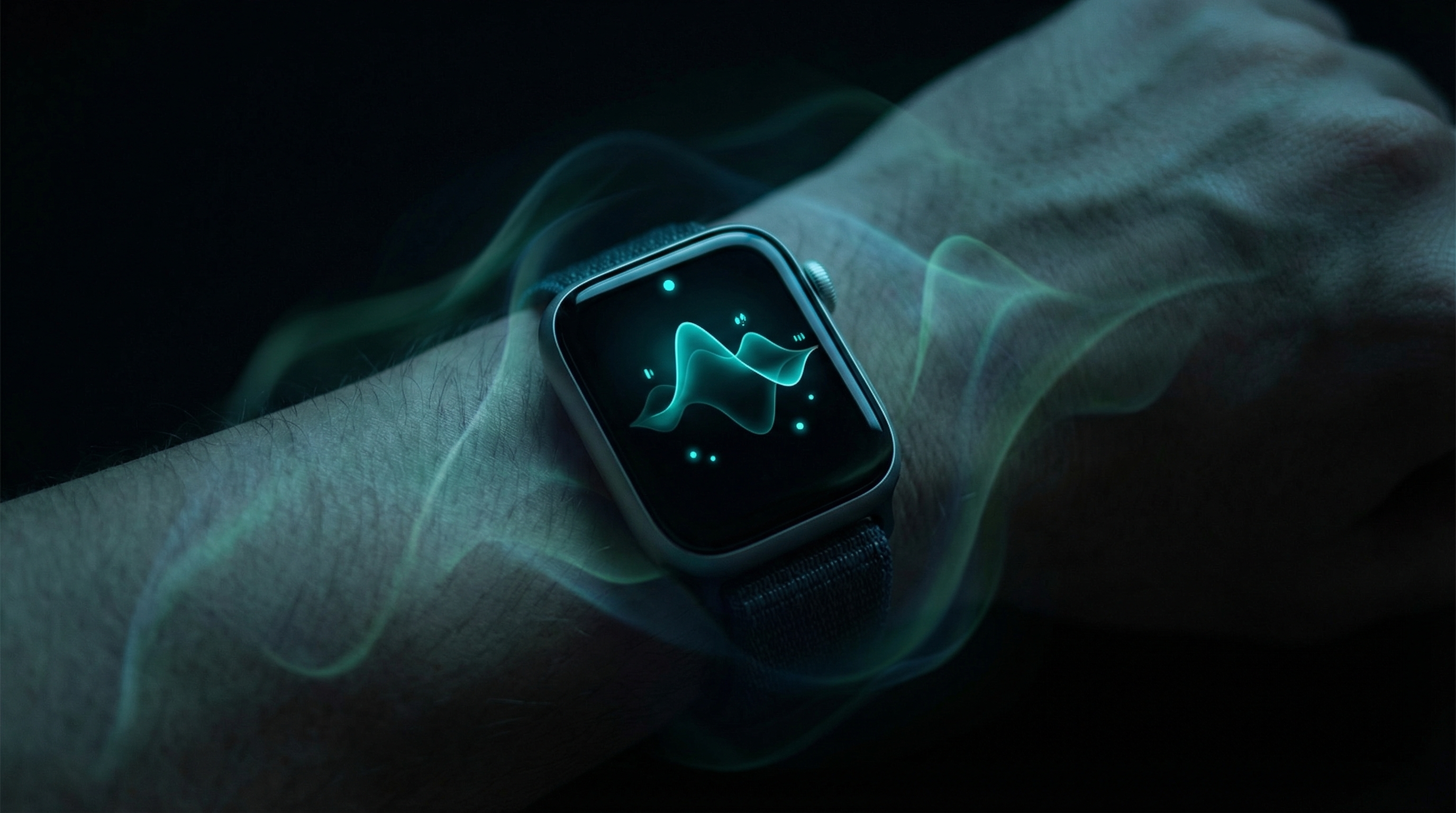
Stanford researchers published work in 2023 showing that AI models trained on wearable data could detect early signs of illness days before symptoms appeared. The signal was there in the data; humans just couldn't see it without help.
Mental health is another area where the potential is enormous. AI-assisted therapy tools, when designed thoughtfully, have shown genuine promise — not by replacing therapists, but by extending care between sessions. Apps like Woebot and Wysa have been studied in clinical settings, with results showing measurable reductions in anxiety and depression symptoms.
In chronic disease management, continuous glucose monitors paired with AI pattern recognition have transformed how people with diabetes understand their own metabolic responses — turning raw biological data into insight, and insight into action.
The thread through all of these: AI used not to replace human attention, but to extend it. To make the invisible visible.
What Conscious AI Use Actually Means

It doesn't mean being anti-technology. It means asking a harder question before you build or adopt any technology:
What is this doing to the human on the other side of it?
| Extractive Tech | Conscious Tech |
|---|---|
| Captures attention | Returns agency |
| Creates dependency | Builds capability |
| Optimizes for engagement | Optimizes for wellbeing |
| Makes you need it more | Helps you need it less |
The Vayu Approach
Breath is one of the few physiological systems you have conscious access to. You can observe it, control it, and when you do — measurably, in real time — you change how your nervous system behaves:
- Your heart rate variability shifts
- Your stress hormones drop
- Your brain state changes — measurably, within minutes
The goal isn't to make you dependent on an app. It's to help you build such deep familiarity with your own nervous system that you eventually need the app less.
The Question Worth Asking

Before you adopt any AI tool — or build one — ask what it's optimizing for. More clicks? More time in app?
Or something more interesting: more capability, more awareness, more genuine wellbeing for the person using it?
The technology exists to do remarkable things in service of human health. The constraint isn't technical. It's intentional.
Ready to experience breathwork with real-time biofeedback? Vayu is free to download. Five minutes a day, data you can actually see, and a practice built around your biology — not someone else's metrics.