Summary
Ayurveda, an ancient holistic healing system from India, identifies three primary bioenergetic forces—doshas—known as Vata (air and ether), Pitta (fire and water), and Kapha (earth and water). Each individual possesses a unique combination of these doshas, which govern physical, emotional, and mental characteristics (e.g., Vata types tend to be energetic and creative but may experience anxiety when imbalanced) healthline.comen.wikipedia.org. Understanding one’s dominant dosha (Prakriti) and current imbalances (Vikriti) is foundational to maintaining health through targeted diet, lifestyle, and yogic practices. In particular, pranayama (breathwork) techniques can be tailored to pacify excessive qualities of each dosha: slow, grounding breaths for Vata; cooling breaths for Pitta; and energizing, warming breaths for Kapha. Below, we explore the nature of each dosha, signs of imbalance, and detailed instructions for dosha-specific pranayama practices.
Understanding Doshas in Ayurveda
The Concept of Doshas
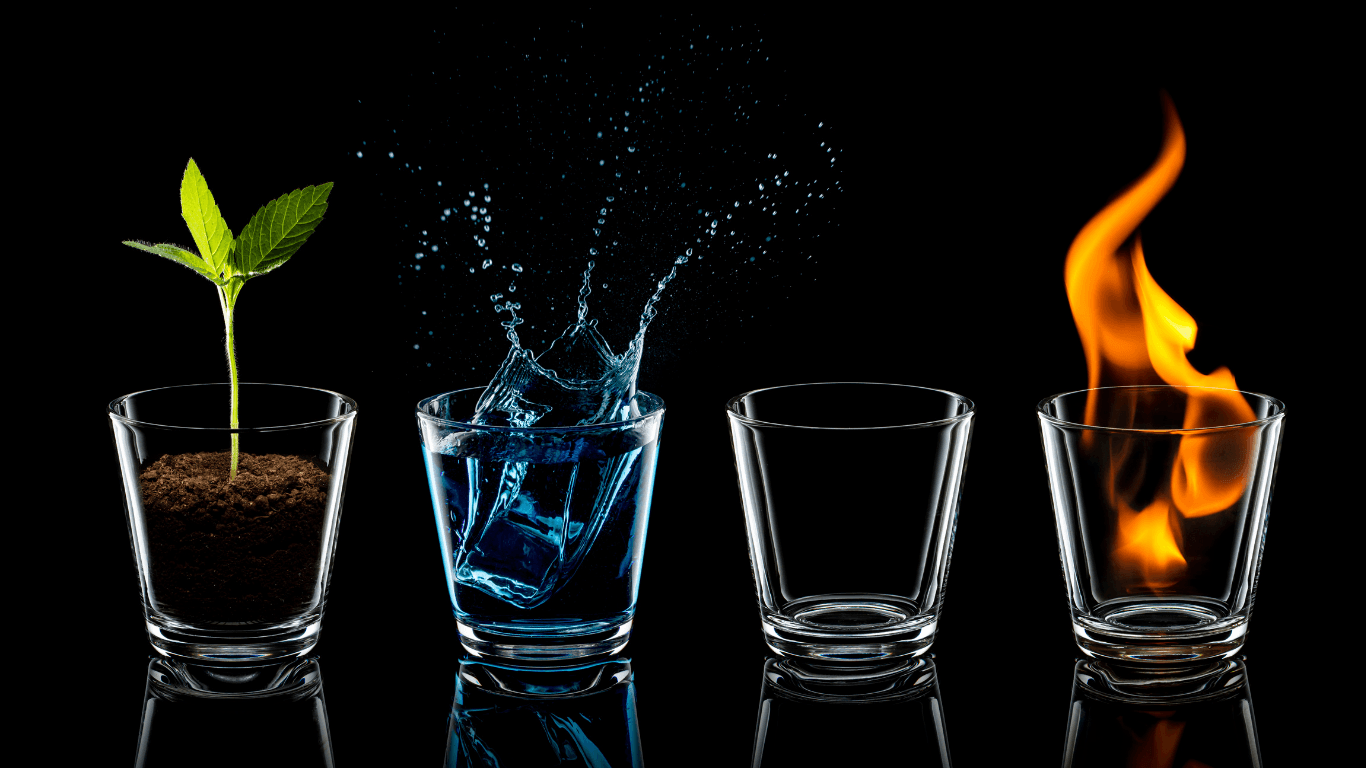
Definition: Doshas are bioenergetic forces derived from the five fundamental elements (Pancha Mahabhutas)—ether (space), air, fire, water, and earth. They function as physiological and psychological principles that govern bodily processes, from digestion and circulation to emotions and thought patterns banyanbotanicals.comen.wikipedia.org.
Three Doshas:
Vata (Air + Ether): Characterized by qualities of cold, lightness, dryness, and mobility; responsible for movement and communication within the body (e.g., nerve impulses, respiration) healthline.comen.wikipedia.org.
Pitta (Fire + Water): Embodies heat, sharpness, and liquidity; governs metabolic processes such as digestion, absorption, and cellular transformation healthline.comen.wikipedia.org.
Kapha (Earth + Water): Defined by heaviness, stability, and cohesiveness; provides structure and lubrication to cells and tissues, supporting strength and immunity healthline.comen.wikipedia.org.
Individual Constitution (Prakriti) vs. Imbalance (Vikriti): Everyone has a unique Prakriti or natural doshic makeup, which remains constant throughout life. However, diet, lifestyle, seasonal changes, and stress can create Vikriti, a temporary doshic imbalance manifesting as specific health complaints banyanbotanicals.comen.wikipedia.org.
Why Dosha-Specific Practices Matter for Western Audiences
Holistic View of Health: Contemporary Western medicine often separates mind and body. Ayurveda emphasizes an integrated approach, acknowledging how emotions, environment, and seasonality affect physical well-being. Introducing dosha concepts helps Western and European readers appreciate a preventive, individualized system that complements conventional approaches webmd.comhealth.com.
Personalization: Instead of one-size-fits-all recommendations, Ayurvedic guidance adapts to individual constitutions—similar to how personalized nutrition or functional medicine is gaining popularity in the West banyanbotanicals.comglamour.com.
Role of Pranayama: Breathwork is increasingly recognized in Western wellness (e.g., mindfulness-based stress reduction). By aligning pranayama techniques with one’s dosha, Western readers can adopt a targeted, evidence-informed approach to enhance mental clarity, emotional balance, and physiological resilience yogajournal.comkripalu.org.
Vata (Vayu) Dosha

Characteristics and Imbalances
Constitution: Vata, composed of air (Vayu) and ether (Akasha), governs all movements—breath, motor functions, nerve impulses, and elimination. Vata-dominant individuals often have a lean build, quick mind, and variable energy levels. They tend to be creative and enthusiastic but may struggle with consistency healthline.comen.wikipedia.org.
Qualities: Cold, light, dry, rough, mobile, subtle, and clear. These qualities manifest in a tendency toward spontaneity, adaptability, and quick thinking healthline.comen.wikipedia.org.
Signs of Vata Imbalance:
Physical: Dry skin, constipation, irregular digestion, bloating, gas, joint pain, coldness, and fatigue.
Mental/Emotional: Anxiety, restlessness, worry, insomnia, scattered thoughts, and difficulty focusing healthline.comen.wikipedia.org.
Seasonal/External Triggers: Excessive cold/dry weather (autumn/winter), erratic schedules, overstimulation (e.g., digital overload), and skipping meals can aggravate Vata healthline.comen.wikipedia.org.
Diet and Lifestyle Recommendations
Diet: Emphasize warm, moist, grounding foods with sweet, sour, and salty tastes. Favors cooked grains (rice, oats), stews, soups, cooked vegetables, warm milk with spices, nuts, and healthy fats (ghee, olive oil) banyanbotanicals.comglamour.com.
Daily Routine (Dinacharya):
Rise early (before 6:00 AM) to align with Vata time (2:00–6:00 AM) but avoid rushing; take time for gentle stretching and warm oil massage (Abhyanga).
Maintain regular meal times; avoid skipping or eating on the go.
Establish a calming bedtime routine: warm herbal tea (e.g., with ginger or cinnamon), light reading, and early sleep banyanbotanicals.comyogauonline.com.
Pranayama Practices for Vata
Goal: Grounding, calming, and stabilizing the light, mobile qualities of Vata. Use slow, rhythmic, and soothing breathing techniques.
Alternate Nostril Breathing (Anuloma Viloma / Nadi Shodhana)
Benefits: Balances left-right hemispheres of the brain, soothes jittery nerves, improves focus, and promotes mental clarity. It specifically grounds restless Vata energy by creating rhythmic breathing patterns ayurveda.umaoils.comsaumya-ayurveda.com.
How to Practice:
Posture: Sit comfortably on a cushion or chair with a straight spine. Keep shoulders relaxed.
Hand Position (Vishnu Mudra): Fold the index and middle fingers of the right hand toward the palm, using the thumb for the right nostril and ring finger for the left.
Inhalation/Exhalation:
Close the right nostril with the thumb; inhale slowly and deeply through the left nostril.
Close the left nostril with the ring finger; release the thumb from the right nostril and exhale through the right nostril.
Inhale through the right nostril; close it with the thumb, open the left nostril, and exhale through the left nostril.
Continue this cycle for 5–10 minutes, maintaining soft, even breaths.
Cautions: Keep the breathing soft and smooth—avoid forceful inhalations or exhalations that can aggravate Vata. Practice in a warm, calm environment to prevent discomfort ayurveda.umaoils.comsaumya-ayurveda.com.
Full Yogic Breath (Three-Part Breath)
Benefits: Engages all lobes of the lungs, expands lung capacity, nourishes vital organs, and activates the parasympathetic nervous system for deep relaxation—ideal for balancing Vata’s tendency toward shallow, erratic breathing banyanbotanicals.comsaumya-ayurveda.com.
How to Practice:
Posture: Sit or lie down comfortably with a straight spine and relaxed shoulders.
Three-Part Sequence:
Lower (Abdominal) Inhalation: As you inhale, first expand the lower belly outward (diaphragmatic breathing).
Middle (Thoracic) Inhalation: Continue inhaling, expand the ribcage sideways.
Upper (Clavicular) Inhalation: Complete the inhalation by lifting the collarbones and shoulders slightly.
Exhalation: Release gradually in reverse order: relax the collarbones, allow the ribs to contract, and gently draw the abdomen inward.
Timing: Aim for equal counts (e.g., 4 counts inhalation, 4 counts retention (optional), 4 counts exhalation). Practice 5–10 minutes daily, ideally in the morning or early evening banyanbotanicals.comsaumya-ayurveda.com.
Ujjayi Pranayama (Victorious Breath)
Benefits: Creates gentle internal heat and a soothing “ocean-like” sound, which can ground and warm Vata. It also enhances concentration and calms the mind banyanbotanicals.comsaumya-ayurveda.com.
How to Practice:
Posture: Sit comfortably with a straight spine.
Technique: Inhale through both nostrils gently, slightly constricting the back of the throat (glottis) to create a soft “ha” sound as air passes. Exhale through both nostrils while maintaining the throat constriction to produce a gentle “sa” sound.
Pace: Keep the breath slow and controlled, with roughly equal durations for inhalation and exhalation. Aim for 5–8 minutes, focusing on the sound and sensation of breath banyanbotanicals.comsaumya-ayurveda.com.
Pitta Dosha

Characteristics and Imbalances
Constitution: Pitta arises from fire (Tejas) and water (Ap) and governs digestion, metabolism, body temperature, and intelligence. Pitta-dominant individuals often have a medium build, strong digestion, and sharp intellect. They tend to be ambitious, decisive, and driven healthline.comen.wikipedia.org.
Qualities: Hot, sharp, oily, sour, light, and penetrating. Pitta qualities manifest as warmth, clarity, and intensity in both body and mind en.wikipedia.org.
Signs of Pitta Imbalance:
Physical: Excessive body heat (fever, inflammation), acid reflux, ulcers, rashes, oily skin, strong appetite, frequent hunger pangs.
Mental/Emotional: Irritability, anger, impatience, perfectionism, criticism.
Triggers: Hot weather, spicy or fried foods, excessive exposure to heat, long working hours, and stress aggravate Pitta healthline.comen.wikipedia.org.
Diet and Lifestyle Recommendations
Diet: Favor cooling, hydrating, and mildly sweet, bitter, and astringent tastes. Emphasize fresh fruits, leafy greens, sweet vegetables (cucumber, zucchini), dairy (milk, ghee), and cooling grains (barley, rice). Avoid spicy, sour, and fermented foods, as well as excessive caffeine and alcohol banyanbotanicals.comglamour.com.
Daily Routine:
Wake up before sunrise—ideally between 5:00 AM and 6:00 AM, when Pitta time begins (10:00 AM–2:00 PM)—but avoid overexertion in the heat of midday.
Practice moderation in exercise; prefer non-competitive, calming activities (e.g., swimming, moderate walking) during cooler hours.
Include cooling practices (e.g., seated meditation, gentle Yin yoga) during peak midday heat.
End the day with a tranquil routine: warm bath before bedtime, relaxation techniques, and early sleep to pacify Pitta’s intensity banyanbotanicals.comyogauonline.com.
Pranayama Practices for Pitta
Goal: Cool excessive internal heat, soothe emotional intensity, and create mental calm. Emphasize slow, cooling, and gentle breath techniques.
Sheetali Pranayama (Cooling Breath)
Benefits: Lowers body temperature, calms anger, soothes inflammation, and relieves digestive acidity—making it ideal for Pitta types, especially in hot climates or seasons krishnendu.orgayurvedacollege.com.
How to Practice:
Posture: Sit comfortably with a straight spine and relaxed shoulders.
Tongue Roll: Roll the sides of the tongue upward to form a straw-like shape (if unable to roll tongue, practice Sheetkari by pressing teeth lightly and inhaling through teeth with lips apart).
Inhalation: Inhale deeply and slowly through the rolled tongue, feeling cool air pass over the tongue.
Retention (Optional): Hold the breath for 2–4 counts, allowing the cool energy to circulate.
Exhalation: Exhale gently through both nostrils, releasing any residual heat.
Duration: Practice for 5–10 rounds, focusing on the cooling sensation. Avoid forceful inhalations or breath retention longer than comfortable to prevent aggravating Vata krishnendu.orgayurvedacollege.com.
Sheetkari Pranayama (Hissing Breath)
Benefits: Similar to Sheetali in cooling effect; also beneficial for reducing thirst, high blood pressure, and irritability in Pitta imbalance krishnendu.orgayurvedacollege.com.
How to Practice:
Posture: Sit erect with shoulders relaxed.
Tongue and Teeth: Press upper and lower teeth gently together; separate lips slightly.
Inhalation: Inhale slowly through the teeth, producing a soft hissing sound as air passes between them—feel the cooling effect.
Exhalation: Close the mouth; exhale through both nostrils softly.
Duration: Repeat for 5–10 breaths, maintaining smooth, relaxed inhalations and exhalations krishnendu.orgayurvedacollege.com.
Chandra Bhedana (Left Nostril Breathing)
Benefits: Activates Ida Nadi (cooling energy channel), pacifying Pitta by stimulating the parasympathetic nervous system and reducing internal heat and agitation ayurvedacollege.com.
How to Practice:
Posture: Sit in a comfortable, upright position.
Hand Position: Use the right hand in Vishnu Mudra (thumb and ring finger as in Alternate Nostril practice).
Inhalation: Close the right nostril with the thumb; inhale fully and slowly through the left nostril.
Exhalation: Release the right nostril (keeping the left closed if desired), and exhale through the right nostril.
Cycle: Continue inhaling through the left and exhaling through the right nostril for 5–10 minutes, allowing each breath to be slow and cooling ayurvedacollege.com.
Kapha Dosha

Characteristics and Imbalances
Constitution: Kapha, a combination of earth (Prithvi) and water (Ap), provides stability, structure, and lubrication to tissues. Kapha-dominant individuals usually have a strong, sturdy build, calm demeanor, and good endurance healthline.comen.wikipedia.org.
Qualities: Heavy, slow, cold, wet, soft, and stable. These qualities make Kaphas patient, nurturing, and compassionate but also susceptible to stagnation and inertia healthline.comen.wikipedia.org.
Signs of Kapha Imbalance:
Physical: Weight gain, water retention, congestion, sinus issues, excessive sleep, and slow digestion.
Mental/Emotional: Lethargy, attachment, depression, complacency, and resistance to change.
Triggers: Cold, damp seasons (late winter, early spring), heavy/oily foods, sedentary lifestyle, and oversleeping can aggravate Kapha healthline.comen.wikipedia.org.
Diet and Lifestyle Recommendations
Diet: Emphasize light, warm, dry, and spicy foods to counteract Kapha’s heaviness. Favor bitter, pungent, and astringent tastes: leafy greens, legumes, pungent spices (ginger, turmeric, black pepper), light grains (barley, millet), legumes, and minimal dairy. Avoid dairy-heavy, sweet, and cold foods, as well as fried and oily items banyanbotanicals.comglamour.com.
Daily Routine:
Wake up early (around 6:00 AM) before Kapha time (6:00–10:00 AM) to avoid morning sluggishness.
Incorporate vigorous exercise (e.g., jogging, brisk walking, cardiovascular activities) in the morning to stimulate circulation and metabolism.
Dry brushing or stimulating oil massage (dry massage with sesame or mustard oil) can reduce stagnation.
Limit daytime napping; maintain consistent meal and sleep times to prevent Kapha’s tendency toward inertia banyanbotanicals.comkripalu.org.
Pranayama Practices for Kapha
Goal: Stimulate, warm, and energize to counteract Kapha’s cold, heavy, and sluggish qualities. Emphasize quick, forceful, and heating breaths.
Kapalabhati Pranayama (Skull-Shining Breath)
Benefits: A vigorous breathing technique that rapidly expels stale air and toxins, stimulates digestive fire (Agni), warms the body, and energizes the mind—perfect for breaking through Kapha stagnation kripalu.orgpaavaniayurveda.com.
How to Practice:
Posture: Sit erect with a straight spine, shoulders relaxed, and hands resting on knees.
Technique: Take a deep inhalation through both nostrils. Then, forcefully exhale by contracting the abdominal muscles (push navel toward spine), allowing inhalation to occur passively.
Pace: Perform 20–30 rapid “pumps” (forceful exhalations) at a rate of about one per second. Keep inhales automatic and minimal.
Rounds: After a set of 20–30 pumps, pause and take a few normal breaths. Repeat for 2–3 rounds, gradually building up.
Cautions: Avoid during menstruation, pregnancy, high blood pressure, hernia, ulcers, or recent abdominal surgery kripalu.orgpaavaniayurveda.com.
Bhastrika Pranayama (Bellows Breath)
Benefits: Rapid, forceful inhalations and exhalations increase lung capacity, generate internal heat, invigorate blood circulation, and clear respiratory passages—helpful for Kapha-related congestion kripalu.orgpaavaniayurveda.com.
How to Practice:
Posture: Sit comfortably with a straight spine and shoulders relaxed.
Technique: Inhale forcefully through the nose, filling the lungs completely; then exhale forcefully through the nose, emptying lungs fully. Vocalize briefly “HA” on exhalation if that helps maintain rhythm.
Pace: Perform 10–20 cycles in a set, each inhalation and exhalation being equal in effort.
Rounds: After a set, rest for a few normal breaths. Repeat for 2–3 rounds.
Cautions: Avoid if you have high blood pressure, heart conditions, hernia, or if you feel dizzy kripalu.orgpaavaniayurveda.com.
Surya Bhedana Pranayama (Right Nostril Breathing)
Benefits: Activates Pingala Nadi (heating channel), boosting digestive fire and stimulating energy—excellent for combating Kapha sluggishness and lethargy, especially in the morning ayurvedacollege.com.
How to Practice:
Posture: Sit up straight with shoulders relaxed.
Hand Position: Use Vishnu Mudra: right thumb to close right nostril, ring finger to close left nostril.
Inhalation: Close the left nostril with the ring finger; inhale quickly and deeply through the right nostril.
Exhalation: Close the right nostril with the thumb; open the left nostril and exhale slowly and fully.
Cycle: Continue for 5–10 minutes, focusing on strong inhalations and gentle exhalations.
Cautions: If you feel dizzy or lightheaded, switch to full yogic breath and rest ayurvedacollege.com.
Nadi Shodhana (Alternate Nostril Breathing)
Benefits: While traditionally balancing for all doshas, when practiced with emphasis on longer, forceful inhalations and shorter exhalations, it can stimulate Kapha by creating heat and movement within the energy channels. It also clears sinus congestion and supports lung function paavaniayurveda.com.
How to Practice: Follow the same steps as for Vata, but maintain a slightly brisker pace—emphasize a warmer environment (practicing in the morning after Exercise). Aim for 5–8 minutes, ensuring breaths are rhythmic and dynamic paavaniayurveda.com.
Conclusion
Understanding one’s unique doshic constitution and current state of imbalance is essential for integrating Ayurvedic principles into daily life, especially for Western and European audiences seeking a holistic approach. Vata types benefit from slow, grounding pranayama like Alternate Nostril and Full Yogic Breath to soothe erratic energies; Pitta types find relief through cooling practices such as Sheetali and Chandra Bhedana to counteract excess heat; and Kapha types thrive with energizing, warming techniques like Kapalabhati, Bhastrika, and Surya Bhedana to dissolve stagnation. By combining targeted breathwork with appropriate diet, lifestyle adjustments, and seasonal awareness, individuals can cultivate balance, mental clarity, and resilient health in alignment with their dosha profiles banyanbotanicals.comyogajournal.comkripalu.org.
References
What Are the Ayurveda Doshas? Vata, Kapha, and Pitta Explained. Healthline. healthline.com
Ayurvedic Body Type - Vata, Pitta, and Kapha. Banyan Botanicals. banyanbotanicals.com
Dosha. Wikipedia. en.wikipedia.org
The Best Asana and Pranayama for Your Dosha: A Guide for Vata, Pitta, and Kapha. Saumya Ayurveda. saumya-ayurveda.com
The Best Pranayama for Your Dosha: Vata, Kapha, & Pitta. Yoga Journal. yogajournal.com
Breathe to Stay Balanced: Ayurvedic Pranayama to Enhance Your Energy. Kripalu. kripalu.org
Best Pranayama to Practice for Each Body Type. Krishnendu. krishnendu.org
BREATHE BETTER WITH PRANAYAMA: DOSHA-SPECIFIC TECHNIQUES. UMA Oils (Ayurveda). ayurveda.umaoils.com
Pranayama for Balancing Kapha Dosha. Paavani Ayurveda. paavaniayurveda.com
Full Yogic Breath Pranayama. Banyan Botanicals. banyanbotanicals.com
Pranayama, Yoga, and Ayurveda. Ayurvedic College. ayurvedacollege.com