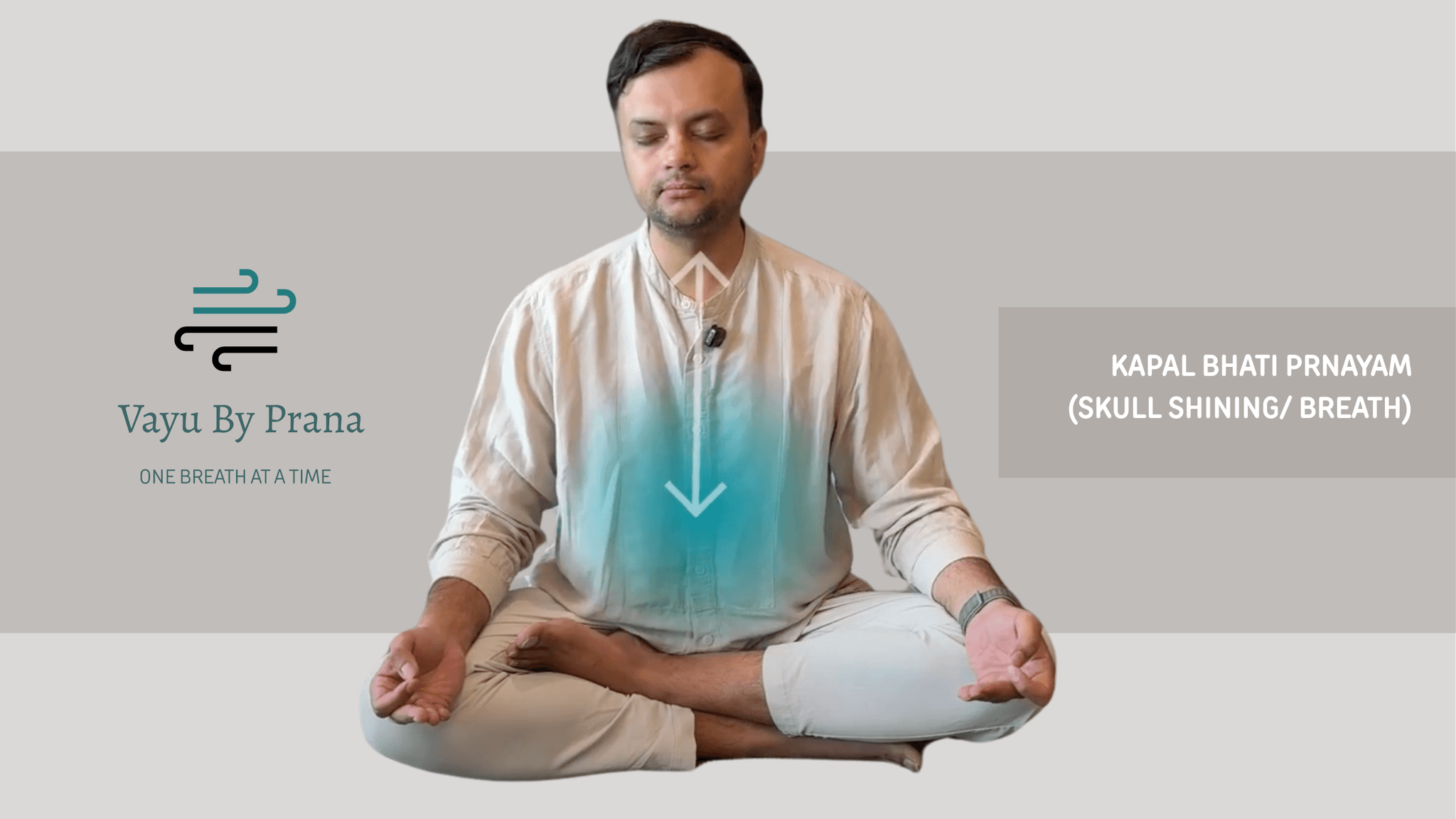
Kapalbhati, often translated as the "Skull Shining Breath," is a powerful and cleansing pranayama (breathing exercise) that has been cherished in yogic traditions for centuries. This dynamic practice is much more than a simple breathing technique—it is a ritual for rejuvenation that energizes the mind, purifies the body, and prepares one for deeper meditative states. In this blog post, we’ll explore what kapalbhati is, how to practice it, its myriad benefits, and important precautions to ensure a safe and effective practice.
What is Kapalbhati?
The term kapalbhati comes from two Sanskrit words: kapal, meaning skull, and bhati, meaning shining or illuminating. Together, they describe the practice’s reputed ability to brighten the mind and enhance clarity by cleansing the respiratory system and the brain. Unlike many other pranayama techniques, kapalbhati is categorized as a kriya—a cleansing technique that targets both physical and energetic blockages.
At its core, kapalbhati is characterized by forceful, active exhalations powered by the abdominal muscles, followed by passive inhalations. This rapid cycle of breathing is believed to expel toxins, stale air, and negative energy, creating space for fresh oxygen and vitality.
How to Practice Kapalbhati
Before diving into kapalbhati, it’s important to start with a calm mind and a comfortable posture. Here’s a step-by-step guide for beginners:
1. Assume a Comfortable Seated Position
Sit upright on a mat or cushion with a straight spine. Traditional cross-legged positions like Sukhasana (Easy Pose) work well, but you can also sit on a chair if that’s more comfortable.
Rest your hands on your knees and relax your shoulders.
2. Prepare with a Few Deep Breaths
Begin by taking a few slow, deep breaths to settle into your practice. This helps to relax the body and prepares your respiratory system for the upcoming activity.
3. Begin the Kapalbhati Technique
Active Exhalation: Forcefully exhale through your nostrils while contracting your abdominal muscles sharply. Imagine squeezing out the air like you’re trying to expel any impurities from within.
Passive Inhalation: Allow the inhalation to happen naturally, without any conscious effort. The focus should remain on the active exhale.
Rhythm: Start slowly with 20 to 30 cycles per round. Keep the pace steady, ensuring each exhale is forceful and each inhale is relaxed.
4. Maintain a Focused Mind
While practicing, keep your gaze soft and your focus inward. You may close your eyes or maintain a gentle upward gaze. The practice is as much about mental clarity as it is about physical cleansing.
5. Conclude the Practice Gently
After completing your rounds, return to normal breathing. Sit quietly for a few minutes, allowing your body and mind to assimilate the effects of the practice. Notice any sensations of lightness, clarity, or energy.
Benefits of Kapalbhati
Kapalbhati offers a range of benefits that extend beyond the physical act of breathing:
1. Cleansing and Detoxification
The forceful exhalations help expel toxins and stale air from the lungs and respiratory system, promoting overall health and vitality.
2. Enhanced Mental Clarity
By increasing the oxygen supply to the brain, kapalbhati can help clear mental fog, improve concentration, and stimulate cognitive functions.
3. Increased Energy and Vitality
Many practitioners find that kapalbhati energizes the body, making it an excellent practice to incorporate into your morning routine or when you need a natural energy boost.
4. Improved Digestion and Metabolism
The active engagement of the abdominal muscles can stimulate the digestive organs, helping to regulate metabolism and improve digestive health.
5. Preparation for Meditation
By clearing the mind and balancing the flow of energy, kapalbhati serves as an effective preparatory exercise for deeper meditation and mindfulness practices.
Precautions and Contraindications
While kapalbhati is a beneficial practice, it’s important to approach it with mindfulness and caution:
Start Slowly: Beginners should start with a few cycles and gradually build up as they become more comfortable with the technique.
Medical Conditions: Individuals with high blood pressure, heart conditions, hernias, or respiratory issues such as asthma should consult with a healthcare professional or an experienced yoga instructor before practicing kapalbhati.
Avoid Overexertion: Listen to your body. If you feel dizzy, lightheaded, or experience discomfort, pause the practice and resume normal breathing.
Proper Guidance: Especially when starting out, it’s helpful to learn kapalbhati under the supervision of a qualified yoga teacher to ensure correct technique and prevent any potential strain.
Integrating Kapalbhati into Your Daily Routine
Kapalbhati can be seamlessly incorporated into your daily yoga or wellness routine. Here are some tips for integration:
Morning Ritual: Practice kapalbhati in the morning to kickstart your day with a burst of energy and clarity.
Pre-Meditation: Use it as a cleansing ritual before meditation to clear mental clutter and prepare your mind for deeper introspection.
Mindful Pauses: If you’re feeling stressed or fatigued during the day, a brief session of kapalbhati can serve as a reset button, refreshing your mind and body.